
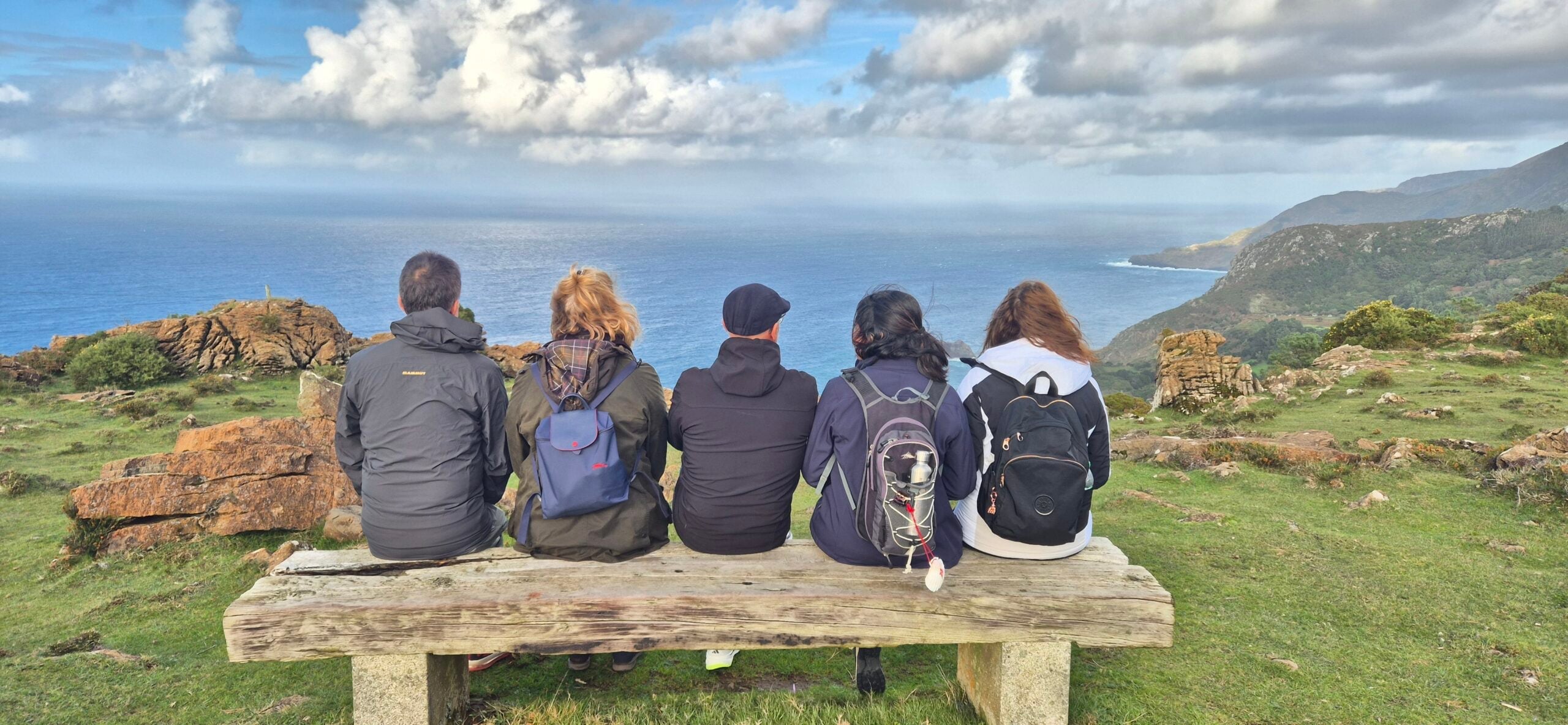
Completing a long trek is a huge achievement. Whether you’ve finished a full-day hike or a multi-day walking journey, your body has worked hard—covering long distances, navigating varied terrain, and carrying you step after step. Proper recovery after trekking is essential not only to reduce soreness but also to prevent injury, improve endurance, and ensure you’re ready for your next adventure.
This trekking recovery guide walks you through exactly what to do after a long walk, from the moment you finish trekking to the following days of recovery.
1. Cool Down, Stretch, and Move Lightly
After a long walk, your body needs time to transition from effort to rest. Stopping suddenly can cause stiffness and discomfort, so it’s important to cool down gradually. Slowing your pace allows your heart rate to return to normal and helps prevent muscle tightness, while stretching improves flexibility and circulation.
- Walk slowly for 5–10 minutes after finishing
- Stretch calves, hamstrings, quads, hips, and lower back
- Do gentle walking or mobility exercises the next day
Maintaining light movement during recovery keeps muscles loose and reduces next-day soreness without placing extra strain on your body.
2. Rehydrate and Refuel Properly
Long-distance trekking leads to fluid and energy loss, even if conditions don’t feel demanding. Proper hydration and nutrition after a walk help replenish what your body has used and kick-start the muscle repair process.
- Drink water consistently rather than all at once
- Use electrolyte drinks to replace lost minerals
- Eat a balanced meal that includes:
- Protein for muscle repair
- Carbohydrates to restore energy
- Healthy fats for sustained recovery
Fueling your body correctly after trekking helps reduce fatigue and prepares you for future walks.
3. Care for Your Feet and Manage Muscle Soreness
Your feet and lower body absorb the most impact during trekking, making post-walk care essential. Addressing minor issues early can prevent them from becoming painful problems later.
- Remove boots promptly and clean and dry your feet
- Check for blisters, hot spots, or cuts
- Treat blisters early and moisturize dry skin
- Elevate legs to reduce swelling
- Use cold therapy for inflammation and heat therapy for tight muscles
Taking care of your feet and sore muscles ensures quicker recovery and more comfortable trekking ahead.
4. Rest, Sleep, and Allow Recovery
Recovery doesn’t happen instantly—your body needs time and rest to rebuild. Quality sleep plays a major role in muscle repair, hormone balance, and energy restoration after long walks.
- Aim for 7–9 hours of quality sleep
- Take short naps if needed after demanding treks
- Reduce physical activity the following day
Allowing yourself proper rest improves performance and lowers the risk of overuse injuries.
5. Monitor Your Body and Prepare for the Next Trek
Some soreness after trekking is normal, but listening to your body helps you recover safely and trek sustainably. Recovery is also the perfect time to evaluate what worked well and what could be improved.
- Watch for persistent pain, swelling, or extreme fatigue
- Seek medical advice if discomfort worsens
- Reflect on:
- Footwear comfort
- Hydration and nutrition strategy
- Pacing and pack setup
Learning from each trekking experience helps you stay comfortable, confident, and ready for your next adventure.
Ready to Recover Well and Trek Smarter?
Proper recovery after a long walk is just as important as preparation before the trek. By cooling down, hydrating well, nourishing your body, caring for your feet, and allowing time to rest, you’ll reduce soreness, prevent injuries, and enjoy trekking for years to come.
At Getaway Trekking, we believe great trekking experiences don’t end at the finish line—they continue through smart recovery and thoughtful care of your body. Take care of yourself after every walk, and your next trekking adventure will feel even better. Contact us today and take the next step toward a smarter, more rewarding trekking experience.