
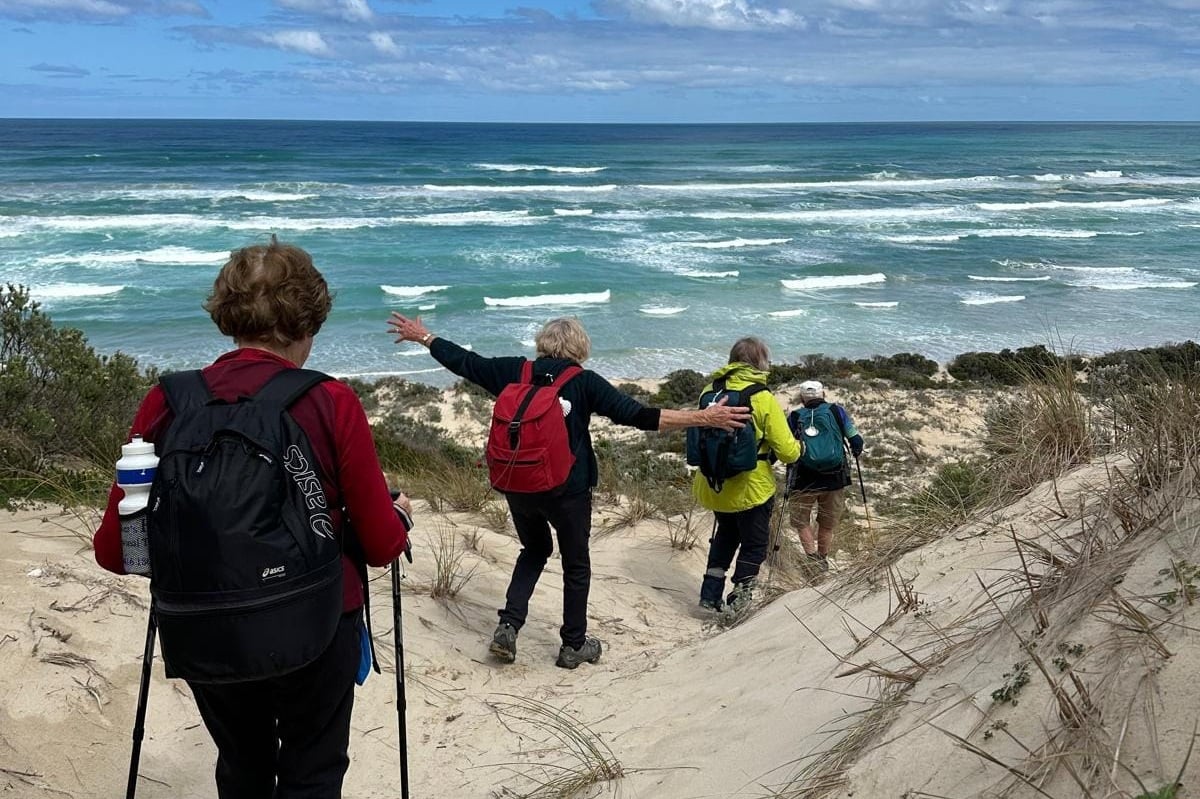
Who can trek with Getaway Trekking?
When you envision someone completing a trek you may expect an experienced hiker, athlete or someone with a lot of outdoor experience.
The truth is, the people who trek with us come from all types of backgrounds.
Through the many years in operation we have had retirees, teachers, office workers, veterans, business owners and many others who have trekked with us. Treks are matched to ability, so the key question isn’t who you are, but which trek suits your current fitness..
What are the requirements for trekking?
The requirements for trekking differ depending on the destination, terrain, distance and duration.
Long treks involve walking for hours at a time, specifically walking up hills, stairs and uneven surfaces. Some of our treks will also include day walks with a heavy backpack or at high altitudes.
You don’t have to be an elite athlete, however, it is very important that you know your current fitness levels to make sure you will be able to meet the physical demands. We recommend training before you choose a trek to ensure you are ready and confident for the journey.
Your general health is another aspect worth considering before embarking on one of our treks. It is recommended to speak to your health practitioner if you are uncertain with your ability to be able to complete a particular trek.
Mental resilience matters as much as physical fitness. Long days, changing weather and tiredness are part of any multi-day trek. Steady pacing, small goals and the support of the group and guides help you keep going.
Does preparation matter more than age?
There is no ideal age for long-distance trekking. We have had people from 13 to 85 successfully complete our treks, demonstrating that age alone doesn’t determine whether you can take on a multi-day adventure.
What matters more is your physical and mental fitness, health and drive, along with how well you prepare for the specific trek you have chosen.
Someone who has spent several months building their walking fitness may be better prepared for a trek than someone who is younger but has done very little training. That’s why we encourage trekkers to focus on preparation rather than worrying about whether they are the “right” age.
Do I need to be an experienced hiker?
No. You don’t need to have years of hiking experience before joining one of our treks.
Beginners are able to complete a guided trek, but preparation is important. We recommend starting your training at least 12 weeks before departure. We offer a 12-week training program and walking groups to help you get ready for your multi-day trek.
Your training should focus on the type of fitness you’ll actually need on the trail.
A good training plan includes:
- Regular walking and longer walks
- Hiking on hills and varied terrain
- Stair sessions
- Training with a loaded backpack
- Recovery between sessions
Focusing on these types of activities can help build leg strength, balance and stamina which is needed to handle the demands of the adventure. For a multi-day trek you should focus the most on endurance as it is more important than speed or explosive strength.
Consistency is key. Starting your training early and gradually increasing your load gives your body time to adapt rather than trying to fit all your preparation right before you leave.
What are the common motivations for trekkers?
There is no single reason people choose to trek.
For some people, it’s about taking on a personal challenge or ticking a destination off their bucket list. Others join us to celebrate a milestone, experience a different culture or simply have an adventure.
For some of our trekkers, the journey also provides time away from everyday routines. It can give you the opportunity to disconnect from work, spend time in nature and focus on what’s around you.
Should I trek solo, with a friend or in a group?
You don’t need to have a friend or partner to go trekking with. Many of our trekkers travel solo.
Travelling on your own can be a great way to meet new people and step out of your comfort zone.
If you prefer you can also join the adventure with a friend, partner or group. Having someone familiar come along with you can make the experience even more enjoyable, while you’ll still have the opportunity to meet new people.
Our group treks are designed to bring people together and you will have the support from an organised group and experienced guides throughout the journey.
Popular treks by duration
We offer different treks ranging from short, medium to long. Here is a list of some of our popular treks with each duration:
3–5 days
- K’gari (Fraser Island): 5 days, 4 nights
6–10 days
- Santiago to Finisterre: 6 days, 5 nights
- Cape to Cape: 9 days, 8 nights
- The Aussie Camino Pilgrimage: 10 days, 9 nights
10+ days
- Kokoda Track: 11 days, 10 nights
- Annapurna Base Camp: 14 days, 13 nights
- Everest Base Camp: 16 days, 15 nights.
- Everest Base Camp plus Gokyo Lakes: 19 days, 18 nights.
You can choose your trek depending on your experience, fitness levels, and what you would like to achieve. We offer a range of different treks so make sure to choose one that aligns with your motivations.
View all our treks to find the right one for you.